Sprain vs. Strain: Understanding the Difference and Supporting a Safe Recovery
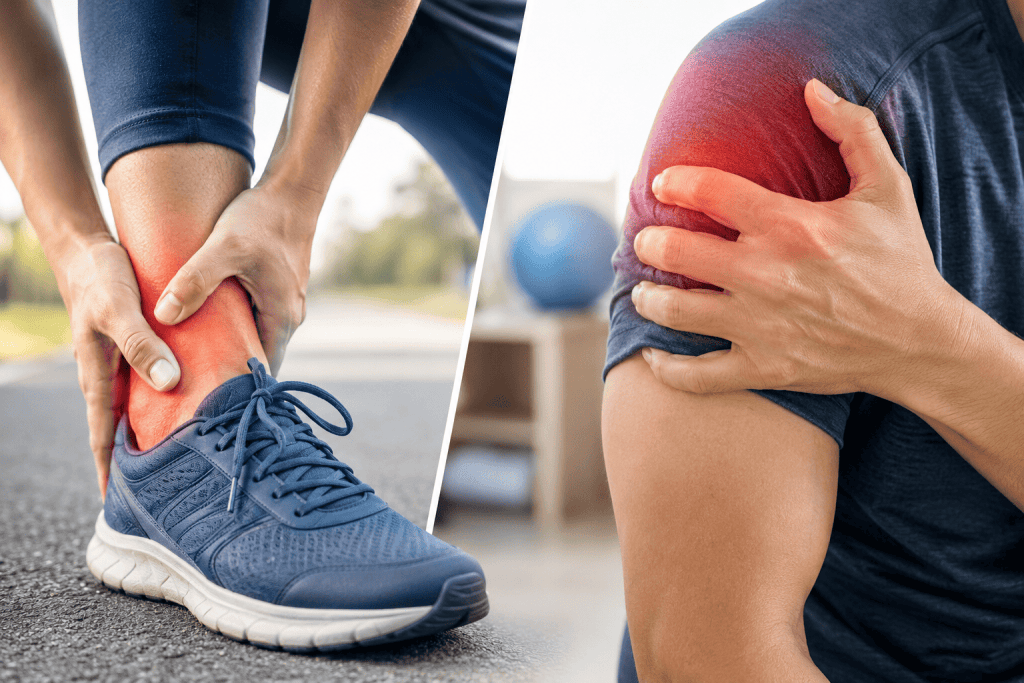
A Simple Misstep Can Lead to an Injury
Whether you’re taking a morning walk, working in the yard, exercising, or simply stepping off a curb, it only takes one awkward movement to suffer an injury. Sprains and strains are among the most common musculoskeletal injuries, affecting millions of people each year.
Although these injuries are often used interchangeably, they are not the same. Understanding the difference between a sprain and a strain can help you recognize the signs, seek appropriate treatment, and support a smoother recovery.
Most minor sprains and strains improve with conservative care, but early evaluation and proper support are important to prevent further injury and promote healing.
What Is a Sprain?
A sprain is an injury to a ligament, the tough band of tissue that connects one bone to another and helps stabilize a joint.
Sprains typically occur when a joint is forced beyond its normal range of motion, stretching or tearing the ligament.
The most commonly affected joints include:
- Ankle
- Wrist
- Knee
- Thumb
An ankle sprain is one of the most frequent orthopedic injuries and often occurs after rolling or twisting the foot unexpectedly.
What Is a Strain?
A strain affects a muscle or tendon rather than a ligament.
Tendons connect muscles to bones and allow movement. A strain happens when a muscle or tendon is overstretched or torn, often due to overuse, lifting heavy objects, or sudden forceful movements.
Common areas where strains occur include:
- Lower back
- Hamstrings
- Calf muscles
- Shoulder
- Neck
Unlike sprains, strains usually involve muscle pain and difficulty using the affected muscle.
Sprain vs. Strain: What's the Difference?
Although they share similar symptoms, sprains and strains affect different parts of the body.
Sprain | Strain |
Affects ligaments | Affects muscles or tendons |
Usually caused by twisting a joint | Usually caused by overstretching or overuse |
Joint instability is common | Muscle weakness is common |
Swelling around a joint | Muscle tenderness or spasms |
Bruising may occur | Muscle cramping may occur |
Because symptoms can overlap, it’s important to seek medical evaluation if you’re unsure which injury you have.
Common Causes of Sprains and Strains
Many everyday activities can lead to these injuries.
Common causes include:
- Slipping or falling
- Sports injuries
- Walking on uneven surfaces
- Sudden twisting movements
- Lifting heavy objects incorrectly
- Repetitive motions at work
- Exercising without warming up
Summer months often bring increased outdoor activities, vacations, hiking, and recreational sports, which may increase the risk of injury.
Signs and Symptoms of a Sprain
Symptoms vary depending on the severity of the injury.
You may notice:
- Pain around a joint
- Swelling
- Bruising
- Difficulty putting weight on the joint
- Joint instability
- Limited range of motion
More severe sprains may involve a complete ligament tear and require medical treatment.
Signs and Symptoms of a Strain
Strains often develop suddenly or gradually after repeated use.
Common symptoms include:
- Muscle pain
- Tenderness
- Swelling
- Muscle weakness
- Limited flexibility
- Muscle spasms
- Difficulty moving the affected muscle
The severity of symptoms depends on how much the muscle or tendon has been damaged.
Understanding Injury Severity
Healthcare providers often classify sprains and strains into three grades.
Grade 1 (Mild)
- Slight stretching of tissue
- Mild discomfort
- Minimal swelling
- Little loss of function
Recovery often occurs within a few weeks with appropriate care.
Grade 2 (Moderate)
- Partial tear
- Noticeable pain
- Moderate swelling
- Reduced strength or stability
Recovery usually takes longer and may require bracing or physical therapy.
Grade 3 (Severe)
- Complete tear
- Significant pain or instability
- Difficulty using the injured area
Severe injuries may require specialist evaluation or surgery.
What to Do After an Injury
If you believe you’ve suffered a sprain or strain, early care can help reduce discomfort and support healing.
Many healthcare providers recommend the RICE approach for minor injuries:
Rest
Avoid activities that worsen pain or place additional stress on the injured area.
Ice
Apply a cold pack for approximately 15 to 20 minutes several times a day during the first 48 hours.
Always place a cloth between the ice pack and your skin.
Compression
Compression bandages or braces may help provide support and manage swelling when recommended by your healthcare provider.
Elevation
Raise the injured limb above heart level whenever possible to help reduce swelling.
When Should You See a Healthcare Provider?
Although many minor injuries improve with home care, medical evaluation is important if you experience:
- Severe pain
- Inability to bear weight
- Significant swelling
- A popping sensation at the time of injury
- Joint deformity
- Numbness
- Symptoms that continue worsening
- Pain lasting longer than several days
Prompt diagnosis can help determine whether imaging studies or additional treatment are needed.
How Orthopedic Braces May Help
Depending on your injury, your healthcare provider may recommend an orthopedic brace during recovery.
Braces are designed to provide additional support while allowing appropriate movement.
Potential benefits may include:
- Improved joint stability
- Reduced unnecessary movement
- Greater confidence during walking
- Support during rehabilitation
- Additional protection during daily activities
Different injuries require different types of braces, so it’s important to use the product recommended for your condition.
Tips to Help Prevent Future Injuries
While not every injury can be avoided, healthy habits may reduce your risk.
Warm Up Before Activity
Gentle stretching and light movement prepare muscles and joints for exercise.
Wear Supportive Footwear
Properly fitting shoes provide stability and improve balance.
Strengthen Your Muscles
Regular strength and balance exercises help support joints and reduce injury risk.
Increase Activity Gradually
Avoid suddenly increasing the intensity or duration of exercise.
Listen to Your Body
Pain is your body’s way of signaling that something may need attention.
Rest when needed and avoid pushing through significant discomfort.
Recovery Takes Time
Every injury heals differently.
Returning to normal activities too soon may increase the risk of reinjury and prolong recovery.
Follow your healthcare provider’s recommendations regarding:
- Rest
- Rehabilitation exercises
- Brace use
- Physical therapy
- Return to sports or work
Patience during recovery often leads to better long-term outcomes.
Support Your Recovery with the Right Orthopedic Solutions
At LCB Medical Supplies, we offer ankle braces, knee supports, wrist braces, and other orthopedic products designed to provide stability and comfort during recovery and everyday movement.
Whether you’re recovering from a sprain, managing a strain, or looking for additional joint support, our team can help you explore products recommended by your healthcare provider.
We also accept most commercial insurance plans for eligible orthopedic products, helping make it easier to access the support you need. Coverage and eligibility may vary by insurance plan.
If you have questions about orthopedic braces or insurance eligibility, our knowledgeable team is here to help.
Disclaimer: This article is intended for educational purposes only and should not be considered medical advice. Always consult your healthcare provider for the diagnosis and treatment of sprains, strains, or other musculoskeletal injuries.